
"Kaffa Ethiopia"
500 article(s) found
Djimmah accounts for about 50% of Ethiopia's annual output (1000000bags/60kg).
Djimmah, which accounts for about 50 per cent of Ethiopia's annual output (1000000bags/60kg), grows between 4400 and 6000 feet above sea level in the southwestern highlands of the country (the border between Kaffa and Illubabor provinces) and is usually exported by G5/G4. However, in recent years, about 10% or 20% of Gima has been used to make up for the lack of taste of coffee, but its quality has gradually declined.

What's the story of Ethiopian coffee? the story of Ethiopian Coffee and Starbucks
Professional coffee knowledge exchange more coffee bean information please follow the coffee workshop (Wechat official account cafe_style) Starbucks, which has been the king of the world in recent years. To become a well-known fashion brand, in order to arouse the recognition of more consumers with the power of consumption, Starbucks proposed a commitment to the producing area of caffeine (Commitment to Origins; referred to as CTO) in 2003, and promoted

Coffee legend the origin of charcoal-roasted coffee Sumatra Aceh coffee
Charcoal roasted coffee-it is said that there are different legends about how humans first discovered the edible fruit of coffee. Which one prevails? It's hard to be sure. However, there is a legend that is more frequently quoted because it is similar to the pronunciation of the name coffee: I do not know how many years ago, in the Kaffa region of southwestern Ethiopia, there were shepherds herding sheep through a forest, and the sheep grazed trees.
Coffee legend The origin of charcoal coffee Sumatra Aceh coffee
Charcoal Coffee-Legend of how humans first discovered coffee fruit for consumption. There are various legends. Which one is more accurate? It's hard to be sure. However, one legend is often cited because of its close pronunciation: Many years ago, shepherds grazed sheep through a forest in the Kaffa region of southwestern Ethiopia, Africa, and the sheep ate the trees
The Historical Development of Coffee spread in the World
Origin: coffee was first discovered in the kaffa region of southern Ethiopia in the 6th century AD. There are many theories about the origin of coffee, but the more recognized is the story of Cuddy, the shepherd, who discovered coffee. Kadi, a shepherd in Kafa province in southern Ethiopia, one day when he was herding his sheep, he found that the normally meek sheep were suddenly abnormal.
Coffee beans in coffee producing areas Ethiopian coffee smells good
Ethiopia in East Africa means the land inhabited by people tanned by the sun in ancient Greek. Ethiopia's unique cultural tradition, spectacular scenery, pleasant climate, rich animal and plant resources, important places of interest, hospitality and friendly people make it one of the major tourist destinations in Africa. The name Coffee comes from kaffa in Ethiopia, you know.

What are the legends about Ethiopian coffee?
Ethiopia (Ethiopia) in East Africa is the origin of coffee. There is a historical story about coffee found in Ethiopia. In the mountains of the Qima region of southwestern Ethiopia, called kaffa, there is a wild shrub bearing small red fruits. A shepherd kept making noise when he found that his goats had eaten the bush fruit. So, he also curiously

Is the coffee in the minority producing areas of Ethiopia good?
Professional coffee knowledge exchange more coffee bean information please follow the coffee workshop (Wechat official account cafe_style) Ethiopian DJIMMAH Coffee Djimmah Coffee grows in the Illubabor and Kaffa areas at 4400 to 6000 feet above sea level and is an excellent low-acid Ethiopian coffee when it is wet-processed (washed). When Djimah is naturally dried; however,
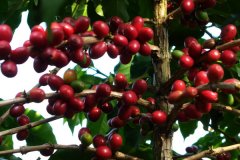
African boutique coffee Ethiopian coffee flavor
The coffee tree originated in Ethiopia, which was originally a wild plant here, and the name coffee comes from the Ethiopian town of Kaffa. In fact, many coffee trees in Ethiopia are still wild plants, and the coffee grown on this coffee tree is full-grained and slightly alcoholic. Humans may have known how to grow coffee trees as early as the 9th century.

Limjilo, from the coffee producing area of Ethiopia, introduces what is the flavor of Lime coffee?
For more information on coffee beans, please follow the coffee workshop (official Wechat account cafe_style). When talking about several large producing areas in Ethiopia, you are familiar with nothing more than Harrar in the east, Sidamo in the middle, Djimmah in the west, and Yirgacheffe, Lekempti, Kaffa.

The coffee tree originated in Ethiopia.
The coffee tree originated in Ethiopia, which was originally a wild plant here, and the name coffee comes from the Ethiopian town of Kaffa. In fact, many coffee trees in Ethiopia are still wild plants, and the coffee grown on this coffee tree is full-grained and slightly alcoholic. Humans may have known how to grow coffee trees as early as the 9th century, but
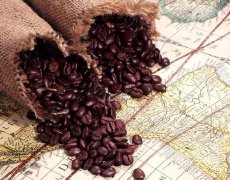
The smell of Ethiopian coffee makes it one of the major tourist destinations in Africa.
Ethiopia in East Africa means the land inhabited by people tanned by the sun in ancient Greek. Ethiopia's unique cultural tradition, spectacular scenery, pleasant climate, rich animal and plant resources, important places of interest, hospitality and friendly people make it one of the major tourist destinations in Africa. The name Coffee comes from kaffa in Ethiopia, you know.

What is the flavor of Yega Sheffield medium baking? Yega Chefe baking curve sharing.
For more information about coffee beans, please follow the coffee workshop (Wechat official account cafe_style). Sharing the roasting curve of Yega Xuefei Guoding Coffee originated in Ethiopia (Ethiopia), which is a wild plant here, and the name coffee takes its name from the small town of Kaffa in Ethiopia. In fact, many coffee trees in Ethiopia

Ethiopian Coffee Origin Culture
The birthplace of coffee-Ethiopia. The coffee tree originated in Ethiopia, which was originally a wild plant here, and the name coffee comes from the Ethiopian town of Kaffa. In fact, many coffee trees in Ethiopia are still wild plants, and the coffee grown on this coffee tree is full-grained and slightly alcoholic. Humans may have been in the 9th century.

World Fine Coffee Beans: Ethiopia Pica Forest G2 Washed Arabica Introduction
The legend of a shepherd and coffee beans, coffee originated in the southwest of Ethiopia (Kaffa) plateau region, Arab shepherd Karl one day to drive sheep to the Ethiopian steppe grazing, found that sheep are particularly active, so found the fruit of coffee beans. Traceable and Fair Trade

Introduction to the quality characteristics of the Lion King Flavor description method in Sidamo, Ethiopia
Ethiopian coffee beans introduce Ethiopia's Yirgacheffe coffee, although petite, it is gentle and delicate, sweet and lovely. As the hometown of coffee, thousands of years of planting history and processing tradition in Ethiopia have created high-quality washed Arabica beans. Light baking has unique sweet aromas of lemon, flower and honey, soft acidity and citrus.
Understand the origin of coffee
According to records, the first country to find coffee tree beans is Ethiopia, which is endemic to Ethiopia. It is reported that coffee was first discovered by the Gella tribe in the Kaffa region of Ethiopia. At first, they used coffee as a kind of food. Kafa crushed the coffee beans, mixed them with animal fat, and rolled them into a ball, the card in the fat.

Ethiopian coffee trees originated in Ethiopia
The Ethiopian coffee tree originated in Ethiopia (Ethiopia). It was originally a wild plant here, and the name coffee comes from the Ethiopian town of Kaffa. Humans may have known how to grow coffee trees as early as the 9th century. Coffee producing area in Ethiopia: many coffee trees in Ethiopia are still wild plants, the coffee that grows on this coffee tree.

Coffee from Ethiopia
The coffee tree originated in Ethiopia, where it was originally a wild plant, and the name "coffee" comes from the Ethiopian town of Kaffa.
Taste Ethiopian coffee
It is said that the word coffee in English also comes from the place name "Kaffa" in Ethiopia.